Detta är hemsidan för Etapp 2 av NEPP, som genomfördes 2016-2020.
Vill du veta mer om kommande etapp 3? Läs mer här!
Nyheter 

Artikel:
Resultat från energisystemmodeller - viktigt stöd för beslutsfattare
Resultat från energisystemsmodeller kan vara ett viktigt stöd för beslutsfattare, men för att modellerna ska vara användbara krävs det att dessa resultat kommuniceras på rätt sätt. I artikeln "Actuating the European Energy System Transition: Indicators for Translating Energy Systems Modelling Results into Policy-Making" har vi tagit fram förslag på ett antal nyckeltal som kan användas för att kommunicera konsekvenserna av resultat från energisystemsmodeller. Nyckeltalen som föreslås kopplar dels till frågor gällande hastigheten på omställningen av systemet, dels resursbehovet för omställningen, och dels konsekvenser kring energisäkerhet. Vår förhoppning är att denna typ av nyckeltal ska användas för att göra konsekvenserna av resultat från energisystemsanalyser mer tillgängliga för beslutsfattare. Listan med nyckeltal ska inte ses som uttömmande, utan vi uppmuntrar alla som jobbar med denna typ av modeller att fundera över hur de kan tydliggöra konsekvenserna av deras resultat för grupper utanför det egna fältet.
Artikel:
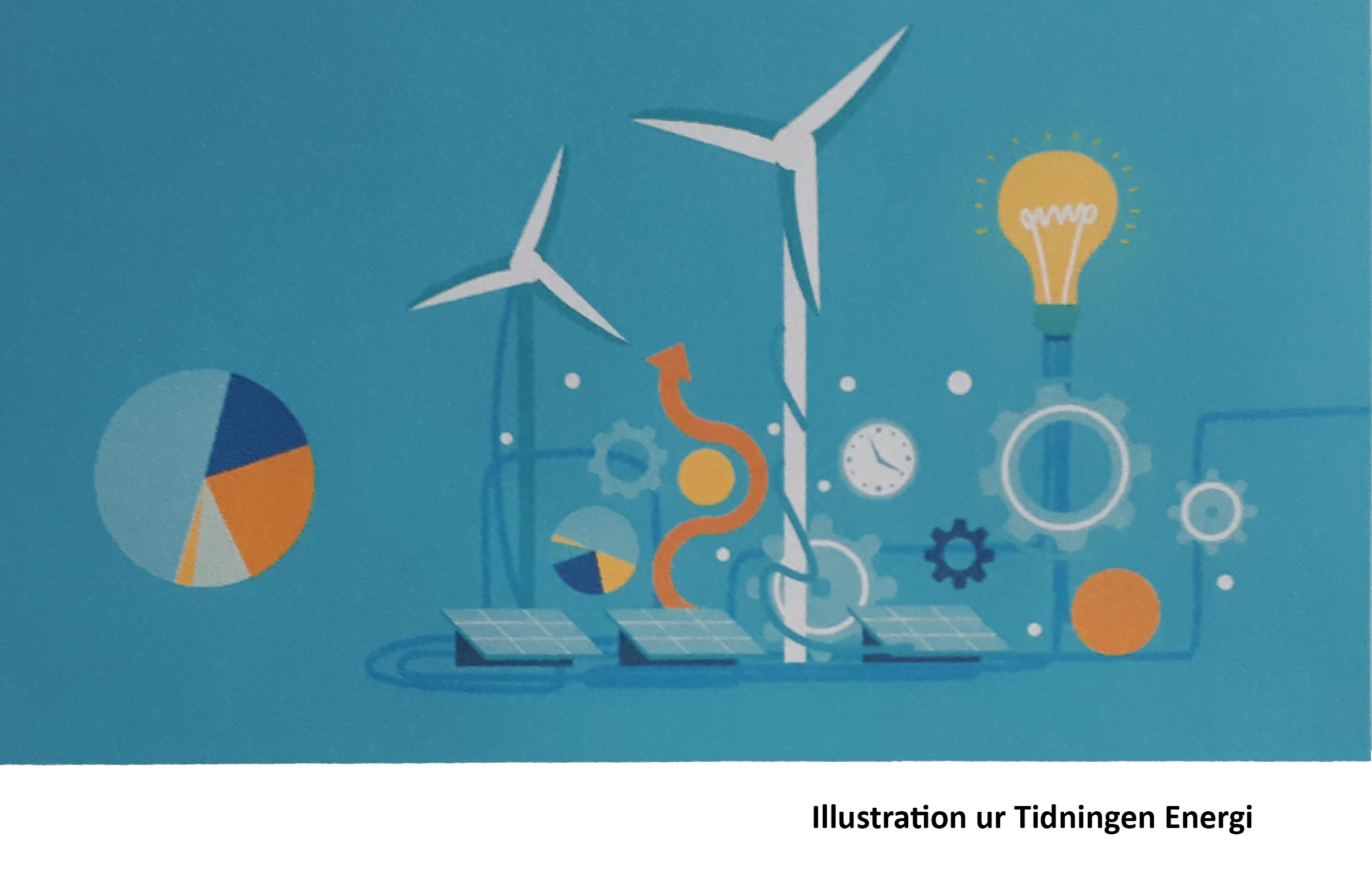
"Många målkonflikter i omställningens spår"
"Sverige behöver investera runt 1000 miljarder kronor i elnät och elproduktion till 2050. Kostnaden mellan olika vägval är inte så stor, men målkonflikter och ansvar kommer att ställas på sin spets."
Markus Wråke, VD på Energiforsk och Ebba Löfblad, Profu intervjuas i Tidningen Energi om vad NEPP kommit fram till efter fyra års forskning och vad man nu vill forska vidare om.
Ny studie:
Svag investeringstakt i kraftvärme
Drivkrafterna för att investera i vindkraft, solceller och vattenkraft är goda. För kraftvärme däremot krävs nytänkande kring investeringslösningar. Det menar Anders Sandoff och Jon Williamsson vid Handelshögskolan i Göteborg, vars studie belyser investeringsfrågan från aktörernas perspektiv.
Studien ingår i NEPP (North European Energy Perspectives Project) som har fokus på utvecklingen av energisystemen i Sverige, Norden och Europa i tidsperspektiven 2020, 2030 och 2050. I studien analyseras vilka drivkrafter som ligger bakom investeringar i förnybar energiproduktion i Sverige.
Energisystemet i omvandling
Konferens, 15 december 2020
Den 15 december avslutades NEPP-projektets andra etapp, med en digital konferens.
Välkommen att ta del av konferens-materialet!
Ny rapport:
Insikter och vägval i energiomställningen : slutrapport från NEPP:s andra etapp
Under snart 25 år har NEPP och dess föregångare fungerat som energibranschens mötesarena kring aktuell energisystemforskning, där forskningen möter branschens företrädare och beslutsfattare. NEPP:s huvuduppgift har varit att visa hur balanserade och hållbara utvecklingsvägar för vårt energisystem kan åstadkommas samt hur energisystemet kan bidra till samhällets omställning i stort. Fyra år av forskning inom denna etapp av NEPP har tydliggjort den allt viktigare rollen för svensk el och fjärrvärme som centrala möjliggörare för samhällsomställningen. Denna rapport är mer än en slutrapport från forskningen inom denna etapp av NEPP, den väger också in resultat från en mängd andra forskningsprojekt samt från politiken, olika samhällsaktörer och branschen. Med andra ord är den en syntes av aktuell forskning inom området, som med systemsyn och helhetsperspektiv beskriver insikter och vägval i energiomställningen.
Ny rapport:
Eleffektfrågan - utmaningar och lösningar
Ökad elanvändning och mer variabel elproduktion, tillsammans med mindre planerbar elproduktion, ändrar förutsättningarna för eleffektbalansen. I dennarapport har vi samlat analyser, resultat och slutsatser från NEPP-projektet som behandlar ”eleffektfrågan” i vid mening.

Ny rapport:
Tyck till om energi- och klimatfrågor : 2020 års enkätstudie om allmänhetens syn på energi- och klimatfrågor
Denna rapport ger en övergripande beskrivning av allmänhetens syn på olika energi- och klimatrelaterade frågor baserat på de enkäter som har genomförts vart femte år under perioden 2005-2020 på uppdrag av Chalmers Tekniska Högskola (CTH) och Göteborgs universitet (GU). Syftet med enkäterna – ”Tyck till om energi- och klimatfrågor”, är att skapa en ökad förståelse för allmänhetens syn på klimatförändringarna, samhällets framtida energisystem och vad som bör göras för att minska klimatpåverkan. Enkäterna omfattar frågor om hur allmänheten uppfattar miljöproblem i jämförelse med andra samhälleliga problem liksom klimatfrågans betydelse i jämförelse med andra miljöfrågor.

Ny rapport:
Miljörättsliga aspekter kring effektökning i vattenkraftverk - Del 3 – Den nationella planen för omprövning av vattenkraft samt eventuella ändringar avseende organisationen för vattenförvaltningen i Sverige
Förslaget till nationell plan för omprövning av vattenkraften (den nationella planen) anger en nationell helhetssyn för att vattenverksamheter för produktion av vattenkraftsel ska förses med moderna miljövillkor. Detta ska ske på ett samordnat sätt med största möjliga nytta för vattenmiljön och för nationell effektiv tillgång till vattenkraftsel. Den nationella planen lägger grunden för ett systematiskt arbetssätt för att uppnå målet om största möjliga vattenmiljönytta samtidigt som en nationell effektiv tillgång till vattenkraftsel bibehålls. En viktig del i arbetet är uppföljningen av den nationella planens genomförande.
Nytt resultatblad:
Det krävs stora, men inte historiskt unika, investeringar
NEPP:s analyser indikerar att det totalt behöver investeras ca 1 000 till dryga 1 100 mdr kr i elproduktion och nät infrastruktur fram till 2050, i ett scenario med 190 TWh elanvändning i Sverige. Det är stora belopp och investeringsbehovet kommer att öka betydligt jämfört med idag, men samhället har mobiliserat liknande investeringsvolymer förut. Ett exempel är utbyggnaden av vattenkraften under 50-och 60-talet, ett annat kärnkraften då ca 350 Mdr kronor investerades under 70- och 80-talet, ett tredje de ca 90 Mdr kr som har investerats enbart i ny vindkraft de senaste fyra åren.
Nytt PM:
Sveriges energipolitik under 50 år
– en återblick
Klimatfrågan står högt på den politiska agendan och många blickar riktas nu mot energisektorn. Ren energi, och i synnerhet ren elektricitet, ses av allt flera inte bara som ett nödvändigt smörjmedel för ekonomin, utan som en möjliggörare och utvecklingsagent för omställningen till fossilfritt samhälle och för att minska klimatförändringarna. Detta PM är framtaget inför NEPPs slutkonferens 2020 med syfte att ge ett historiskt perspektiv på energi‐ och klimatpolitiken och dess konsekvenser för utvecklingen av det energisystem som vi har idag.
Ny rapport:
Hållbarhetsperspektiv på fasta biobränslen
Hållbarhet är idag en integrerad del i energisektorns arbete med att hantera framtidens klimat- och samhällsutmaningar. Att undersöka och bedöma klimat, miljö och social påverkan från olika åtgärder sker som steg i planering, projektering och verksamhetsutövningen. Mycket av fokus ligger på att säkerställa sektorns minskade klimatutsläpp utan att ge avkall på miljökvalitet. Klimatpåverkan kopplar till målen i Parisavtalet som innebär att en generell ökning av förnybart i energi- och transportsystem kommer krävas i hela EU.

Artificiell intelligens – vilka är utmaningarna som energibranschen bör vara medvetna om? - en nulägesbild
Under de snart sjuttio år som artificiell intelligens (AI) har existerat som begrepp och forskningsområde har området genomlevt flera vågor av förhoppningar och besvikelser. Även om de grundläggande teorierna och algoritmerna utvecklades redan på 1950- talet, är det först nu, under det senaste decenniet, som vi börjar se de verkliga framstegen inom området.
Eleffektiva kommuner
Inom ramen för projektet Eleffektiva kommuner som genomförs av Energikontoret Storsthlm under 2019-2020 med finansiering från Energimyndigheten har NEPP analyserat eleffektsituationen i Stockholms län. Rapporten ska ses som ett kunskapsunderlag och syftar till att ge en förbättrad bild av de aktuella utmaningarna med effekt- och elnätskapacitetsbrist i länet. Åtgärder för att lösa kapacitetsutmaningen redovisas, med särskilt fokus på vad kommunerna kan bidra med.
Ladda ned rapporten "Eleffektiva kommuner".
Ladda ned bilagan till rapporten.
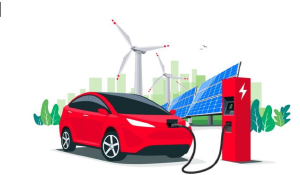
Elbilars roll i energisystemet
Antalet elfordon är idag en mycket liten del av den svenska fordonsflottan (mindre än 1%) men skulle behöva öka drastiskt till år 2030 i och med Sveriges klimatmål om en 70% minskning av CO2 utsläppen från transportsektorn. En elektrifiering av vägtransportsektorn kan ske genom elbilar som laddas hemma och på publika platser, får el direkt vid körning från elvägar eller genom att producera ett fordonsbränsle så som vätgas eller elektrobränslen med hjälp utav el.
I detta PM, som publiceras inom NEPP, diskuteras körmönster och laddprofiler i personbilsflottan, hur smart laddning kan bidra med flexibilitet för elnätet, möjligheter för elvägar samt indirekt elektrifiering via vätgas och syntetiska bränslen.
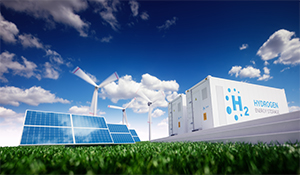
Resultat från examensarbete på Linköpings Universitet
Vätgasens roll i det regionala energisystemet
Alltmer intermittent elkraft byggs idag i Sverige för att öka andelen förnybar el i energisystemet. Detta leder till mer ojämn elproduktion, vilket skapar problem i form av mer volatila och oförutsägbara elpriser. Ett sätt att dämpa eff ekten av den ökande intermittenta kraften är att använda förnybar vätgasproduktion som lastutjämning. På detta sätt kan vätgasen potentiellt bli en viktig del i den fossilfria energimixen.
Värdet av elproduktion kopplad till fjärrvärmeproduktion - idag och i framtiden
På uppdrag av ett antal svenska energiföretag som äger och driver kraftvärmeverk har konsultföretaget Profu gjort en genomgång av de nyttor som fjärrvärmesystemens kraftvärmeverk bidrar med. Rapporten har alltså gjorts utanför NEPP-projektet, men bedöms vara av intresse för NEPP-intressenter. Studien fokuserar på de nyttor som kraftvärmeverkens elproduktion bidrar med. Enkelt uttryckt handlar det om de nyttor kraftvärmeverket åstadkommer och som inte en motsvarande hetvattenpanna eller annan fjärrvärmeproduktion ger. Nyttan som kraftvärmeverkens fjärrvärmeproduktion skapar tas alltså inte med. Orsaken till att denna studie valt att fokusera på just värdet av elproduktion från fjärrvärmenäten är att det i samband med flera företags behov av nyinvestering i fjärrvärmeproduktion har uppstått en osäkerhet om utbyggnaden ska göras i form av kraftvärmeverk eller hetvattenpanna. De ekonomiska incitamenten för kraftvärme har bedömts vara dåliga.
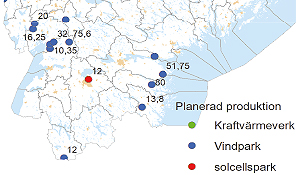
Kraftförsörjning inom östra Mellansverige
För att framgångsrikt kunna lösa framtida samhällsutmaningar och omställning av energisystemet på lokal och regional nivå räcker det inte med ett ensidigt fokus på eldelen av energisystemet. Energisystemets alla delar – el-, värme- och bränslesystemen och användningen – behöver ses i ett integrerat och sektorsövergripande perspektiv samt även ur ett regionalt perspektiv.
Sweco har hjälpt sju län i Östra Mellansverige (ÖMS) att gemensamt ta fram en rapport som ger en sammanfattande bild av kraftförsörjningssituationen inom länen och kopplingen till den svenska kraftförsörjningen ur ett 2030 perspektiv. Studien syftar till att påvisa hur kraftförsörjning påverkar länens möjligheter att arbeta med det gemensamma regionala utvecklingsuppdraget samt huruvida de kraftförsörjningsutmaningar som finns inom de sju regionerna bör betraktas ur ett storregionalt perspektiv.
Minusutsläpp till 2045 – analys av Klimatpolitiska vägvalsutredningen
Senast år 2045 ska Sverige inte ha några nettoutsläpp av växthusgaser till atmosfären och därefter ska utsläppen vara negativa. Eftersom det finns utsläpp som är mycket svåra eller dyra att helt begränsa så krävs så kallade kompletterande åtgärder. En statlig utredning har nyligen lämnat sitt slutbetänkande. NEPP:s forskare har bidragit till utredningen genom konsultarbeten och deltagande i utredningens expertgrupp och sammanfattar i ett PM några av utredningens förslag samt ger några tankar kring betydelsen för energibranschen.
Mer att läsa
Värdet av säsongslager i olika fjärrvärmesystem
Ladda ner rapporten från Energiforsks hemsida
Ladda ner en sammanfattning
En studie av elanvändningens utveckling per län till år 2030
Ladda ner rapporten
Miljöbedömning av energi - några metodfrågor och begrepp
Ladda ner rapporten
Vilken är vägen framåt för EU:s system för handel med utsläppsrätter?
Ladda ner rapporten
Är kärnkraft ett hållbart energislag?
Ladda ner resultatbladet
Kraftvärmens roll på den framtida elmarknaden
Ladda ner resultatbladet
Varför utnyttjas inte all vattenkraft under ansträngda tidsperioder på elmarknaden?
Ladda ner resultatbladet